
THERE’S NO PLACE LIKE HOME
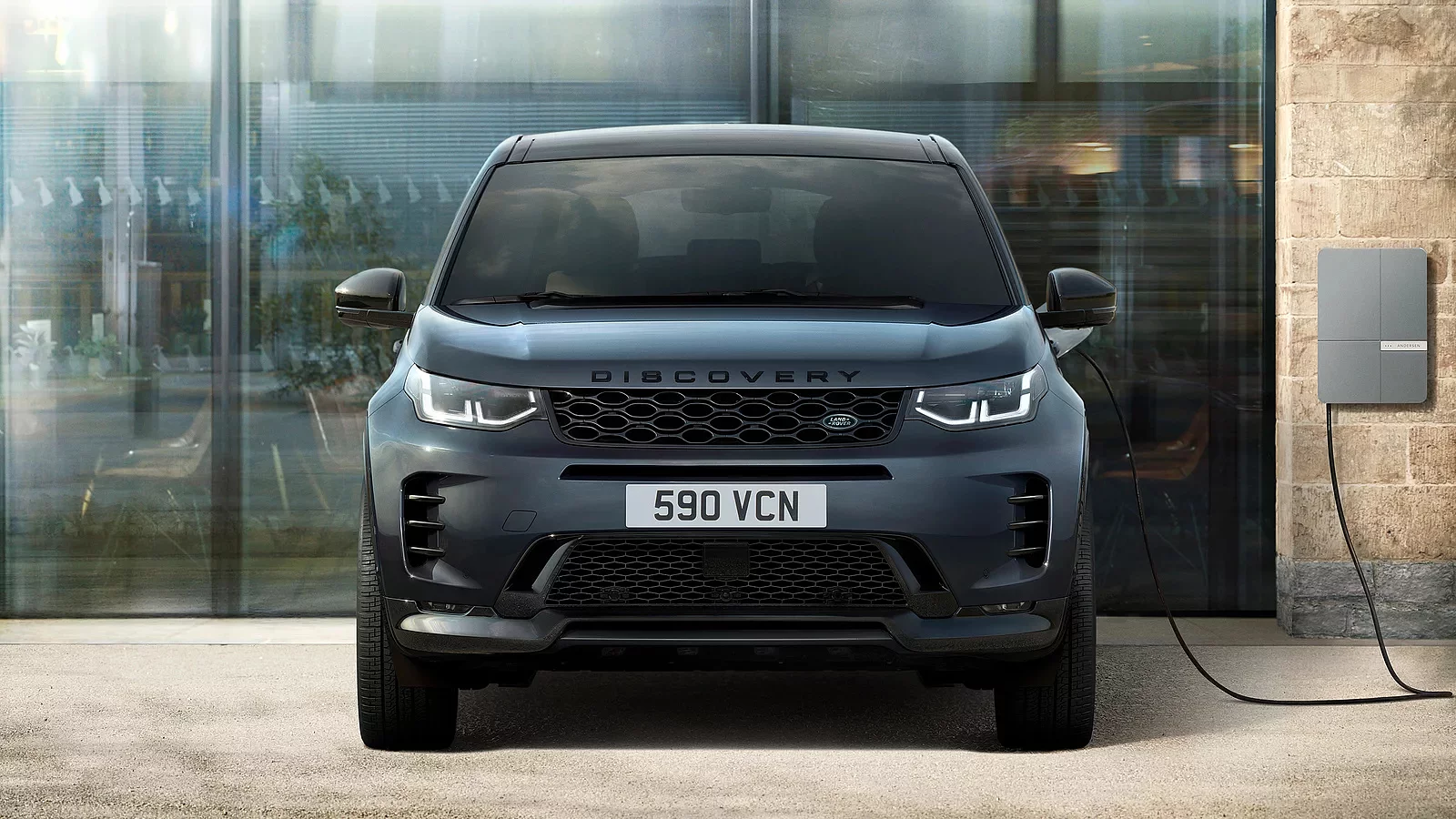
With a Land Rover plug-in electric hybrid (PHEV), most of your charging is done from the comfort of home.
It’s usually the cheapest, most convenient way to charge – as easy as plugging in your phone – and you’ll never need to visit the fuel pumps for local trips around town.

SPEED THINGS UP WITH A HOME CHARGER

SAFE TO CHARGE, WHATEVER THE WEATHER
HOME CHARGING CAN SAVE YOU MONEY
CHARGING AWAY FROM HOME
TOP UP AT YOUR NEXT STOP
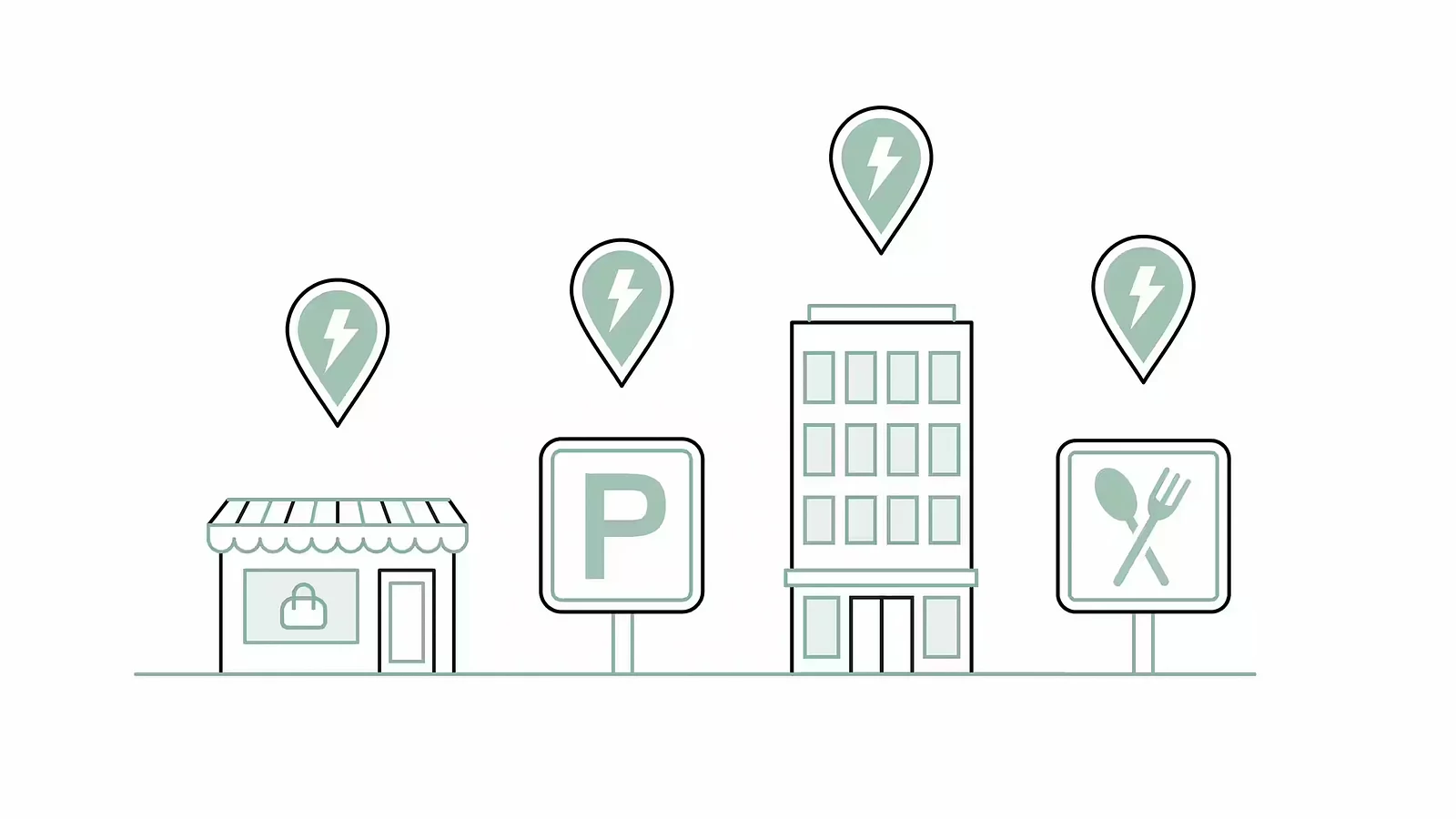
As the public charging infrastructure continues to grow, there are now more places than ever to conveniently charge your electric hybrid away from home.
Charging points at many public car parks, shopping centres and motorway services make it easy to top up while you’re parked up. And if you’re spending a few hours in the office, workplace charging can have you fully charged by lunchtime.
The majority of destination charging points around towns and cities require the use of your own charging cable. This is included with your Land Rover electric hybrid as standard. And just like at home, it can be used in all weathers.
TRACK YOUR CHARGING PROGRESS ANYWHERE
MONITOR AND CONTROL FROM YOUR PHONE
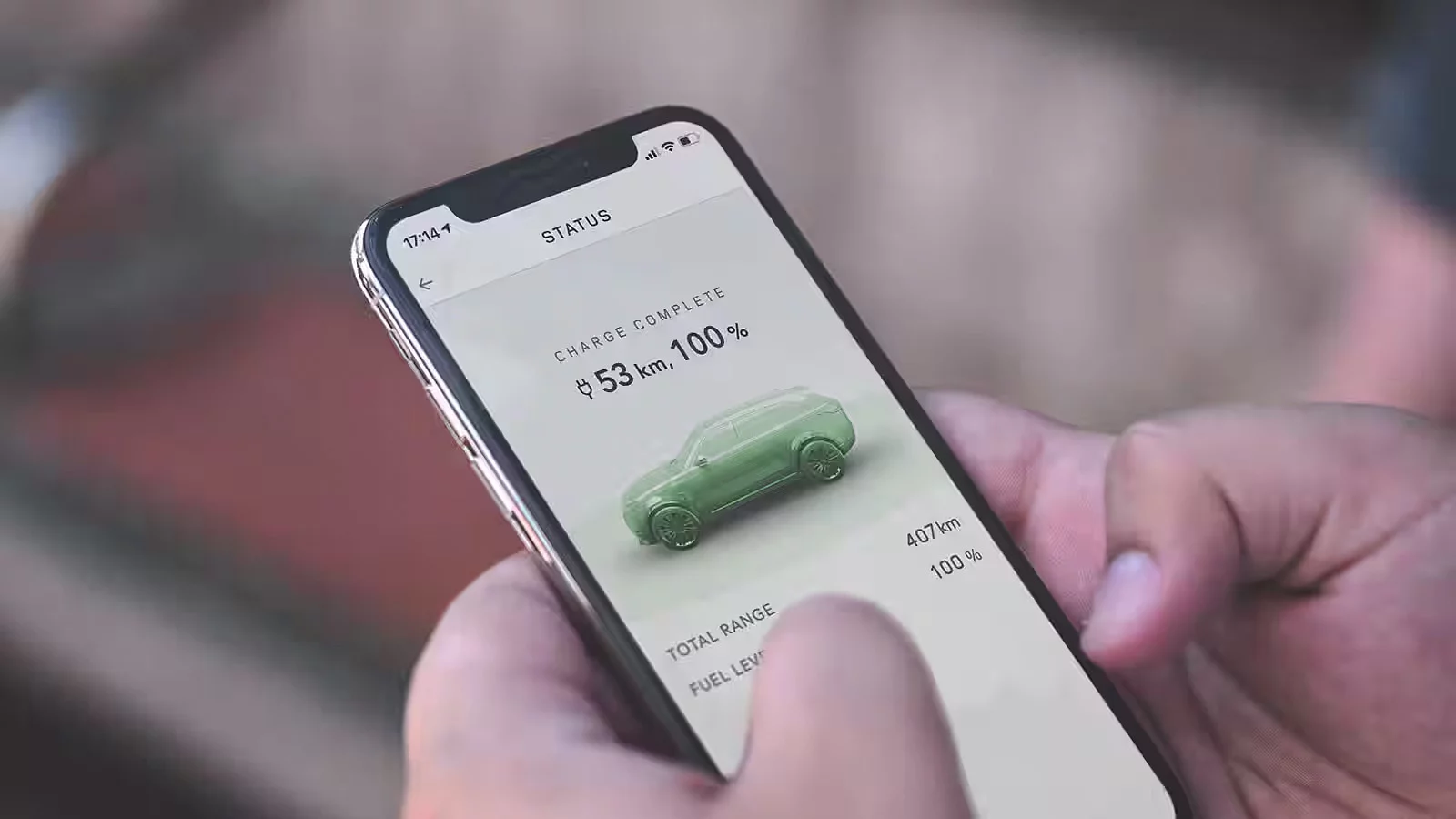
Once you’ve simply plugged in and walked away, your Land Rover’s InControl App1 neatly sends your charging status to your mobile. So wherever you are, you can plan your time productively and be ready to get back out there without missing a beat.
At home, your app’s timed charging feature can even be used to lock into the daily window of off-peak electricity and substantially cheaper EV tariffs offered by many home energy providers.
CHARGING TIMES FOR ELECTRIC HYBRID
Our figures for rapid DC charging points – typically found at motorway service stations and main roads – are quoted up to 80%. This is because the charging speed slows down significantly above 80% to protect the battery and optimise its life.
| Vehicle | Maximum electric range | AC home and public charging (7kW) 0 – 100% | Rapid DC charging (50kW) 0 – 80% |
| Range Rover electric hybrid | EV range up to 121 km‡ ** | From 5 hours2 | Less than 60 minutes2 |
| Range Rover Sport electric hybrid | EV range up to 123 km ‡ ** | From 5 hours2 | Less than 60 minutes2 |
| Range Rover Velar electric hybrid | EV range up to 65 km‡ ** | From 2 hours 30 minutes2 | From 30 minutes2 |
| New Range Rover Evoque electric hybrid | EV range up to 62 km‡ ** | From 2 hours 12 minutes2 | From 30 minutes2 |
| Discovery Sport electric hybrid | EV range up to 61 km‡ ** | From 2 hours 12 minutes2 | From 30 minutes2 |
| Defender electric hybrid | EV range up to 51 km‡ ** | From 2 hours 30 minutes2 | From 30 minutes2 |
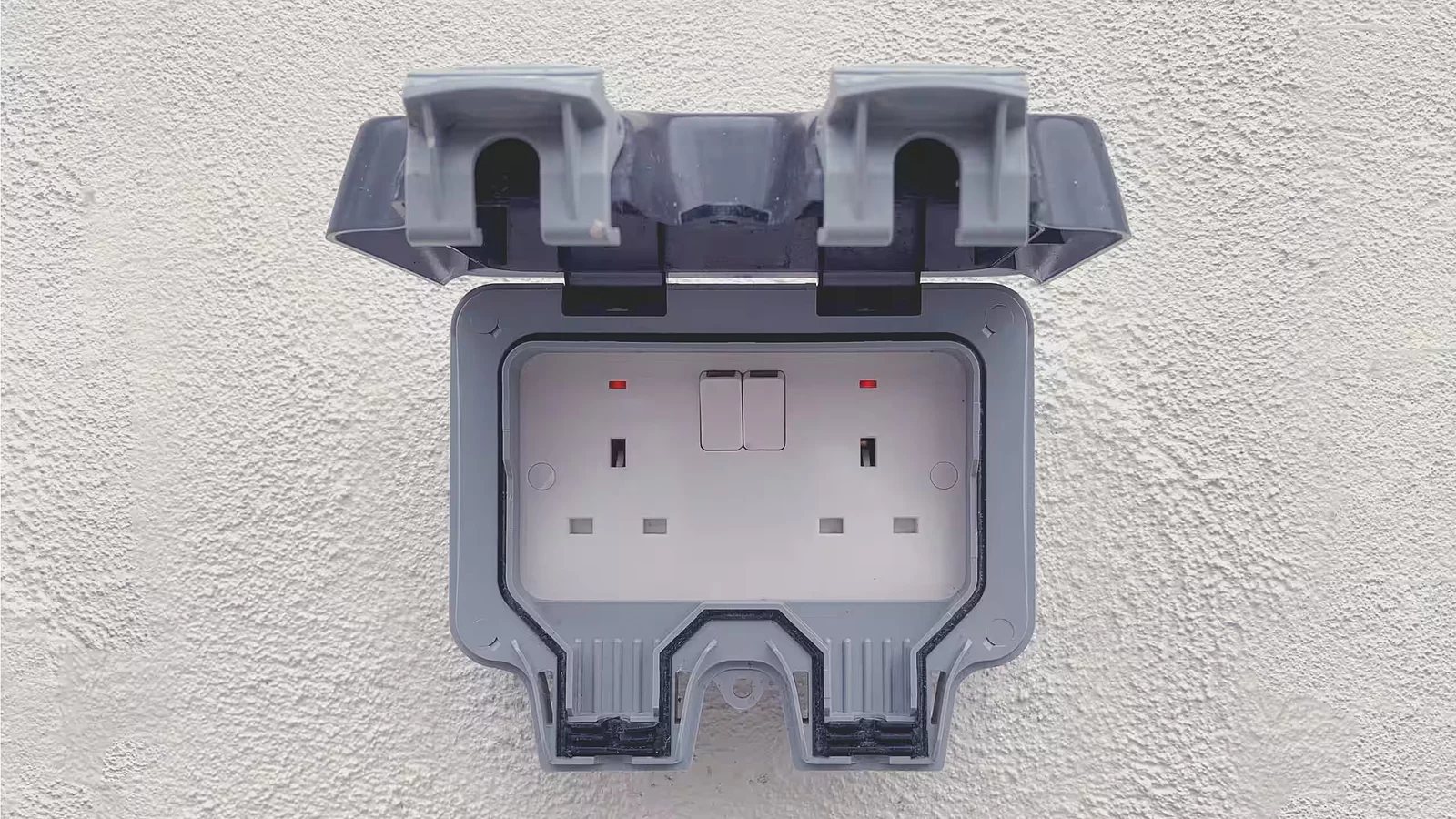
DOMESTIC SOCKETS PROVIDE ADDED REASSURANCE
If you’re away for longer periods and no home charger is available, your standard domestic plug socket used for household electrical items will also charge your vehicle at a much slower rate – typically 0-100% from seven hours.
For charging your vehicle using a domestic socket, an optional Mode 2 cable is available to purchase separately.
KEEP EXPLORING ELECTRIC

INSTALLING A HOME CHARGER FOR YOUR CAR

CHARGING AWAY FROM HOME
‡EV range figures are based upon production vehicle over a standardised route. Range achieved will vary dependent on vehicle and battery condition, actual route and environment and driving style.
The figures provided are NEDC2 calculated from official manufacturer's WLTP tests in accordance with EU legislation with a fully charged battery. For comparison purposes only. Real world figures may differ. CO2, fuel economy, energy consumption and range figures may vary according to factors such as driving styles, environmental conditions, load, wheel fitment and accessories fitted. NEDC2 are figures calculated using a Government formula from WLTP figures equivalent to what they would have been under the old NEDC test. The correct tax treatment can then be applied.
**The figures provided are as a result of official manufacturer's tests in accordance with EU legislation with a fully charged battery. For comparison purposes only. Real world figures may differ. CO2, fuel economy, energy consumption and range figures may vary according to factors such as driving styles, environmental conditions, load, wheel fitment, accessories fitted, actual route and battery condition. Range figures are based upon production vehicle over a standardised route.
1Compatible smart phones only. Subject to market availability of third party provider platforms and mobile phone signal.
2Charging times vary dependent on many factors, including but not limited to the age, condition, temperature and existing charge of the battery; facility used and duration of charge.